
Description
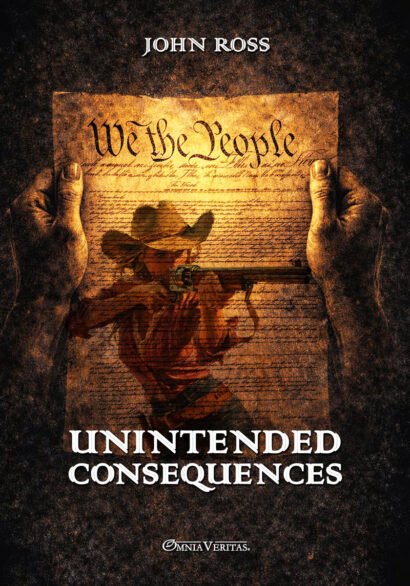
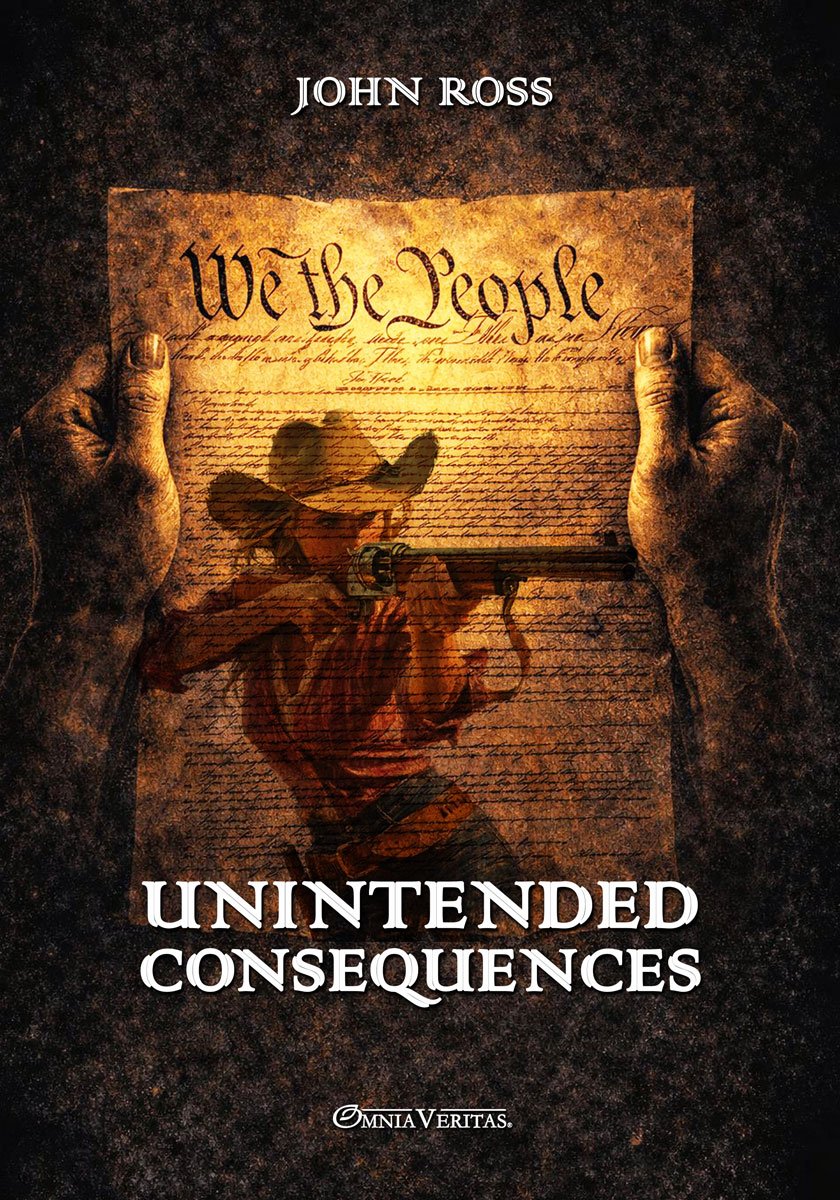
- Plot & Themes: The story centers on Henry Bowman, a Missouri-based geologist, firearms expert, and competitive shooter, who becomes a target of federal agents after a botched ATF raid. After surviving an attempted federal assault, Bowman leads a violent resistance against what he sees as an oppressive government, culminating in assassinations of corrupt officials and a nationwide uprising. The novel argues that government overreach-especially through gun control laws like the National Firearms Act (1934), Gun Control Act (1968), and Federal Assault Weapons Ban (1994)-inevitably leads to rebellion.
- Historical Context: The narrative incorporates real events such as Waco, Ruby Ridge, and the 1933 Bonus Army march, using them to support its thesis that government harassment of gun owners leads to inevitable violent backlash. The author claims the National Firearms Act was enacted not for public safety, but to reemploy tax agents after Prohibition ended.
- Controversy & Reception: The book has been praised by gun rights advocates as a “must-read” and compared to Ayn Rand’s Atlas Shrugged for its ideological intensity. Critics describe it as a pulp melodrama filled with graphic violence and sexual content, and some label it a pro-terrorist manifesto due to its glorification of assassination and rebellion. It was listed by The New York Times as one of the most sought-after out-of-print books in 2013.
- Author Background: John Ross (1957-2022) was a prolific writer and activist who wrote a regular column on gun rights and was known for his confrontational stance toward federal agencies. He claimed the book was intended to prevent armed conflict by exposing government overreach, though its violent narrative has drawn criticism.
- Legacy: The novel remains a cult classic within the American gun rights movement and is frequently cited in debates over Second Amendment rights, federal overreach, and the potential for civil unrest.