

Description
His central thesis—which he defends with what he considers rigorous logic—is to challenge the official narrative regarding the gas chambers, drawing on a highly detailed analysis of architectural plans, technical reports from the period, and the discrepancies he perceives in eyewitness accounts, which he deems insufficiently supported by tangible material evidence. He considers his approach to be part of a historian’s duty to subject everything to critical scrutiny, without accepting taboos or dogmas.
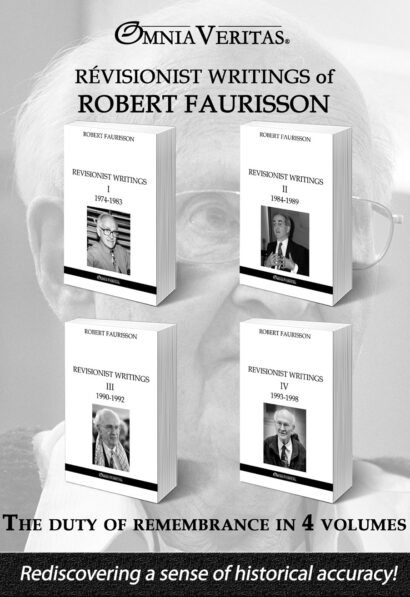
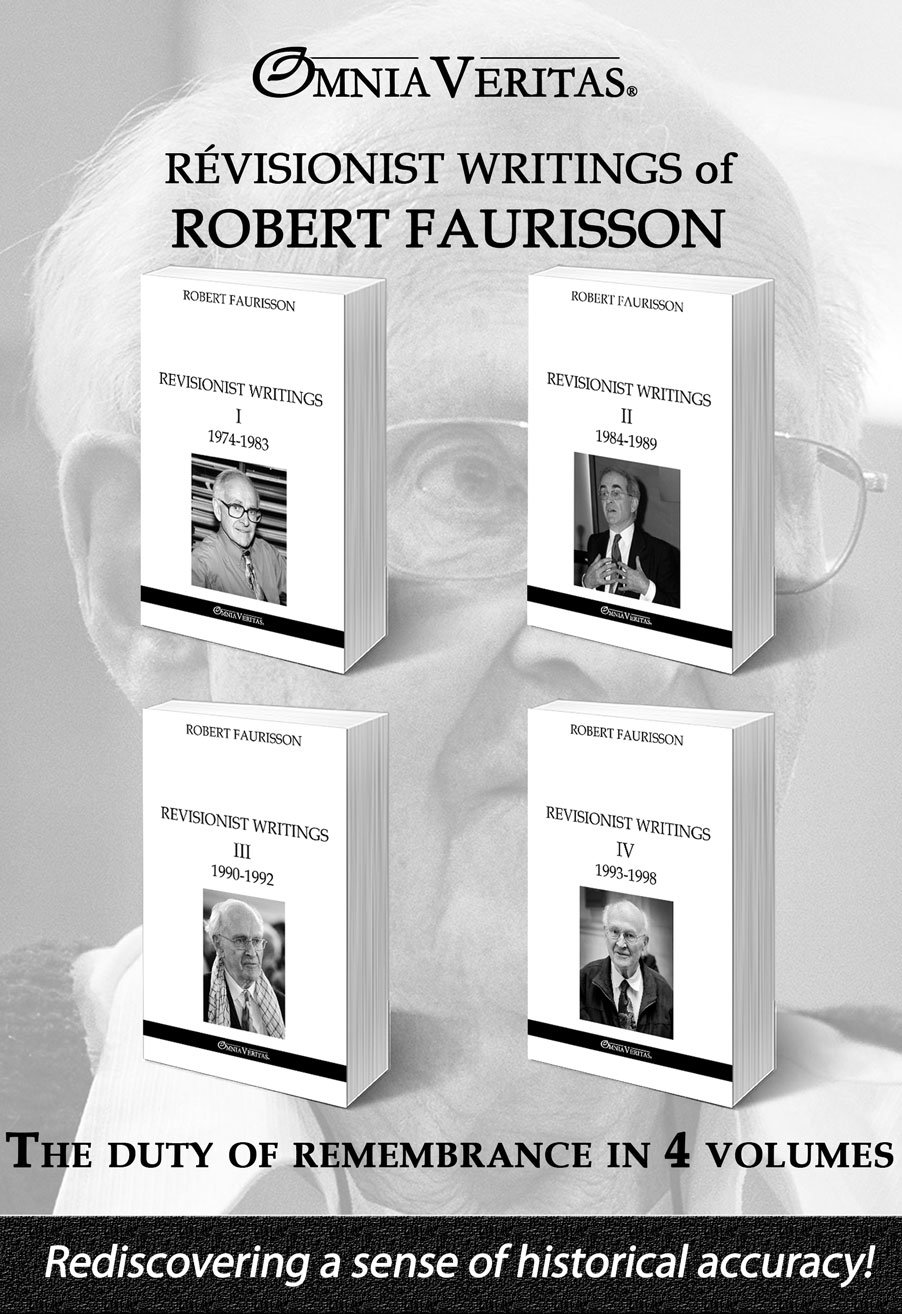
His major writings, collected notably in his Écrits révisionnistes and in Mémoire en défense, represent for him the culmination of an uncompromising quest for factual truth. A victim, according to his own account and that of his supporters, of powerful academic and media censorship, he has been convicted multiple times by French courts under the Gayssot Act, which criminalizes the denial of crimes against humanity. To his supporters, he embodies a whistleblower and a martyr for freedom of expression, having sacrificed his career to dare challenge a historical and political consensus he deemed entrenched. Although his conclusions have been strongly rejected by the overwhelming majority of historians specializing in the Holocaust—who criticize his biased methodology and lack of understanding of the broader context of the genocide—his story remains an emblematic example of the deep tensions between radical academic research, freedom of opinion, and the legal limits imposed on collective memory.